New era of targeted drug therapy a lifesaver for patients with rare conditions
New era of targeted drug therapy a lifesaver for patients with rare conditions
30 Jan 2026
St Vincent’s Hospital Sydney is helping to blaze the trail for a new era of targeted drug therapy that is ‘personalising’ treatment for patients with rare conditions.
Sunshine Coast (Queensland) resident, Eden Miller-Crispe, aged 29, has been one of the beneficiaries. She has an ultra-rare genetic condition which was slowly killing her - one of less than 30 people in Australia diagnosed with an immuno-deficiency syndrome called APDS - Activated Phosphoinositide-3-kinase Delta Syndrome.
The genetic condition occurs where the immune system doesn't work normally, causing frequent infections, auto-immunity issues, and sometimes lymphoma, due to issues with immune cell development and function.
Eden has spent her life battling the illness and constantly has been left debilitated on numerous occasions with infections such as pneumonia which limited her ability to go to school and later, her capacity to work. She would regularly have to use oxygen and a simple virus would see her in hospital for weeks at a time.
"At one stage, I was told I only had three years to live,” she says.
But in 2020, after consulting with one of Australia's leading immunologists and infectious diseases experts, Associate Professor Alisa Kane of St Vincent's Public Hospital Sydney, Eden became the first person in Australia to be placed on a new lifesaving drug called Joenja (or Leniolisib). It was developed overseas by Novartis, one of the largest pharmaceutical companies in the world.
|
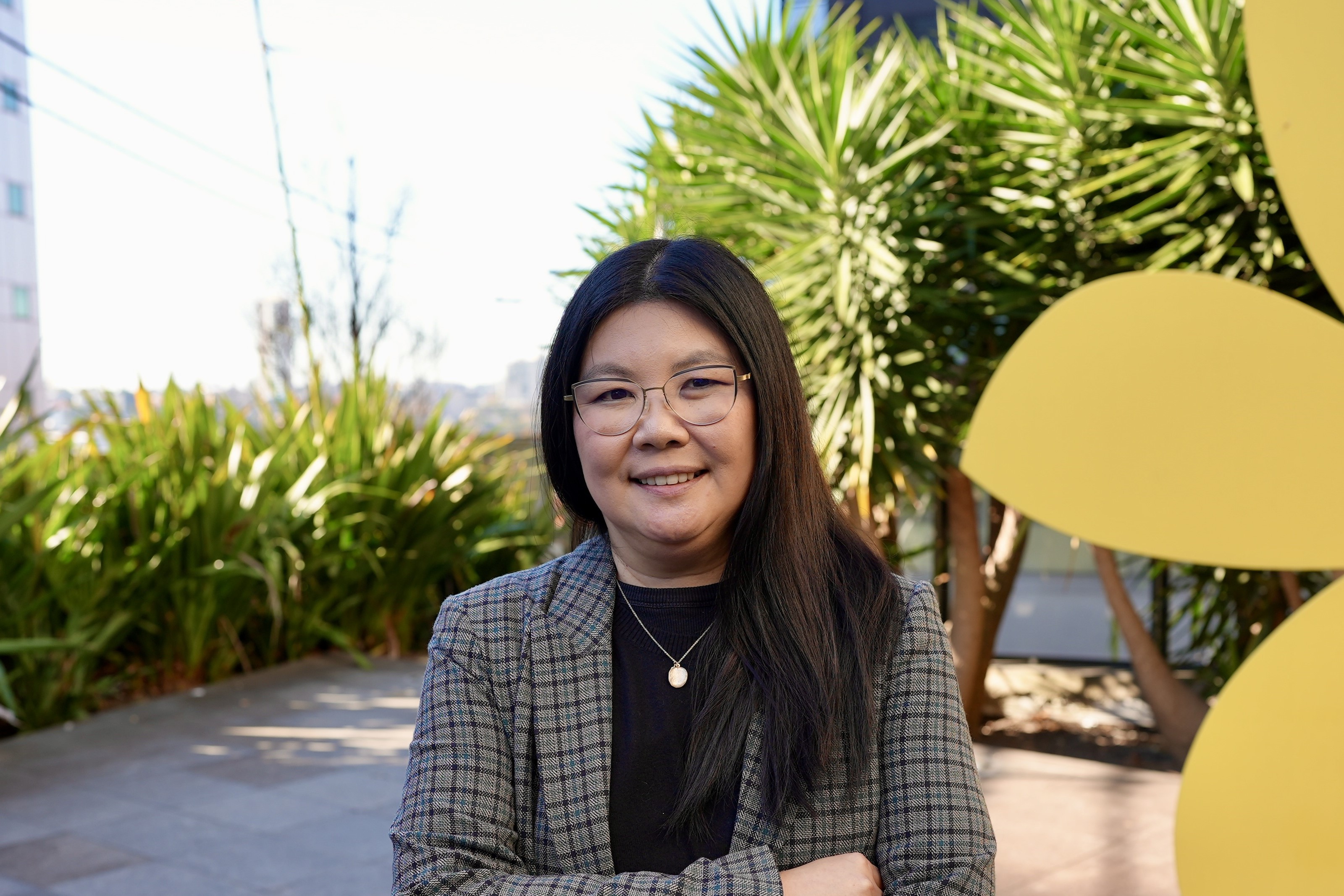
Associate Professor Alisa Kane
|
|
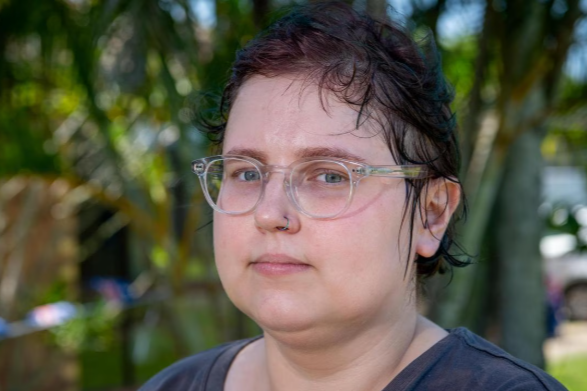
Eden Miller-Crispe
|
The application of the drug has been tailored specifically for Eden’s illness - the first targeted therapy in Australia for APDS, which directly addresses immune deficiency and immune dysregulation by inhibiting the PI3K delta enzyme. It works by targeting the hyperactive PI3K delta pathway to normalize immune responses, reducing infections and lymph node swelling.
Primary immunodeficiencies (PID) are a group of more than 550 potentially serious chronic medical conditions. While rare individually, together they are quite common affecting over six million people globally.
Eden - who lives with her mum, sister and two dogs Peanut and Macca - has made an incredible recovery following treatment with the new drug.
"I was told I only had three years to live - and that was more than three years ago,” says Eden. “I've gone from being in hospital a lot, to not dying anymore!! I'm now stable and I’m hopeful that my health can remain stable so I can live my life to the fullest. To not have something that’s like a health time bomb ticking away is a massive relief – it’s a huge weight off my shoulders.
“The treatment has given me hope and improved my quality of life. I'm now able to get out into the garden, to walk my two dogs, to socialise a bit and ideally get a job."
Eden's specialist, A/Prof Alisa Kane, of St Vincent's Hospital Sydney, says Joenja was originally developed for potential use in cancer treatment before she and colleagues realised it could be re-purposed for immune-deficiency disorders.
“The drug is an example of precision therapy, where treatments are tailored to individual patients – in the case of Eden, to correct their immune imbalance,” says A/Prof Kane.
“It's an important step to have a drug like this for patients with severe immune conditions.
“We’re now in a new era of personalised precision therapy with a range of drug therapies that are available. Some of them are drugs which already had TGA approval, maybe for another condition, but we’re finding ways to re-purpose them to treat other conditions.
"It’s also important for people with rare immune disorders – who can sometimes slip through the cracks of the health system - to know that there is hope for them … that targeted drug therapy is getting better all the time. It can be lifesaving as well as life changing.”
A/Prof Kane strongly advocated with the drug company for Eden to receive the drug for free on compassionate grounds, through the TGA special access scheme. Eden says she and her family would have found it near-impossible to pay the full cost.
A/Prof Kane has also pushed for the drug to go on the PBS this year which she’s hopeful will be approved.
Eden, now a Queensland resident, has her consultations with A/Prof Kane via videoconference - an example of St Vincent’s goal to have 50 per cent of patient interactions being done virtually or in the home by 2030.
“If it wasn’t for A/Prof Kane and her fighting for me to get this drug I probably wouldn’t be here to be honest,” says Eden.
Eden says she wanted to share her story to give other sufferers of rare health disorders renewed hope.
**Eden’s story featured on Australia Day on the website of one of the major News Corporation newspapers, The Courier-Mail.**